Common Octopus vs Moon Jellyfish
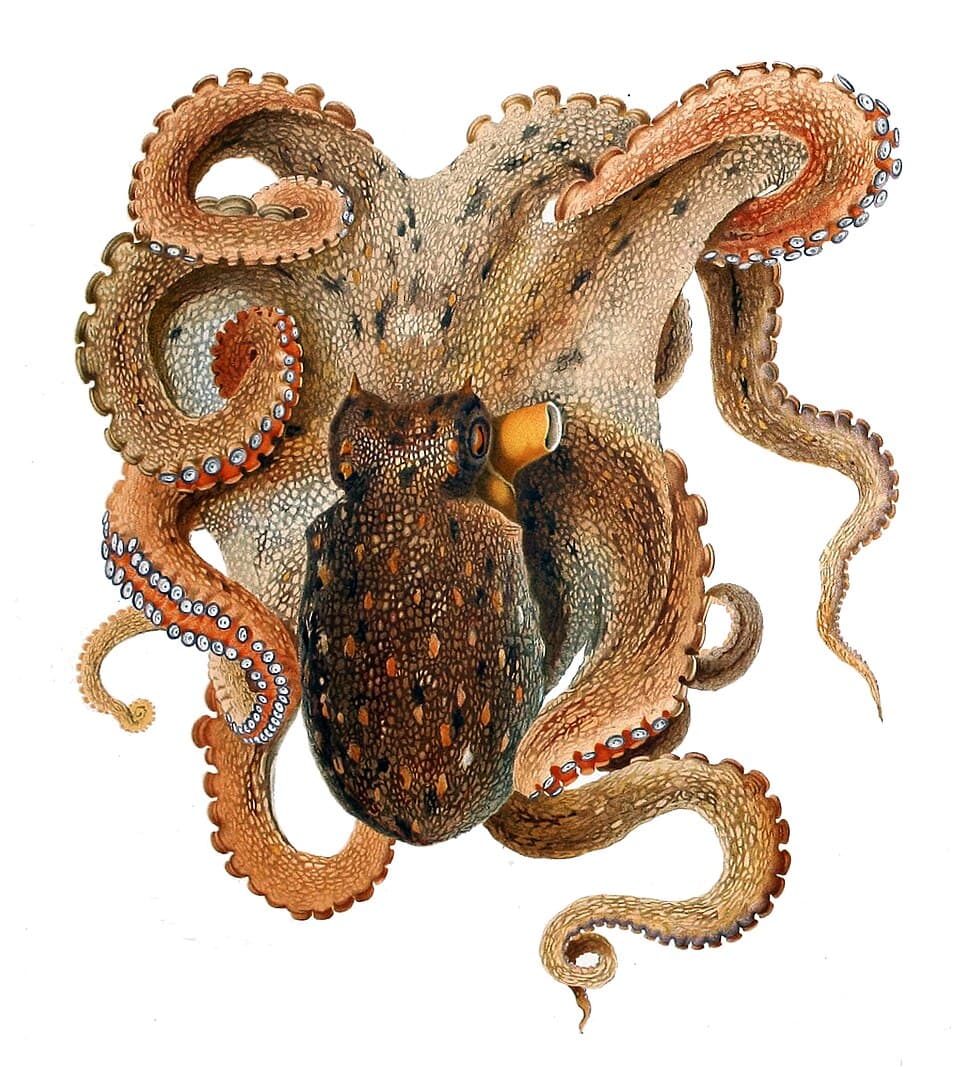
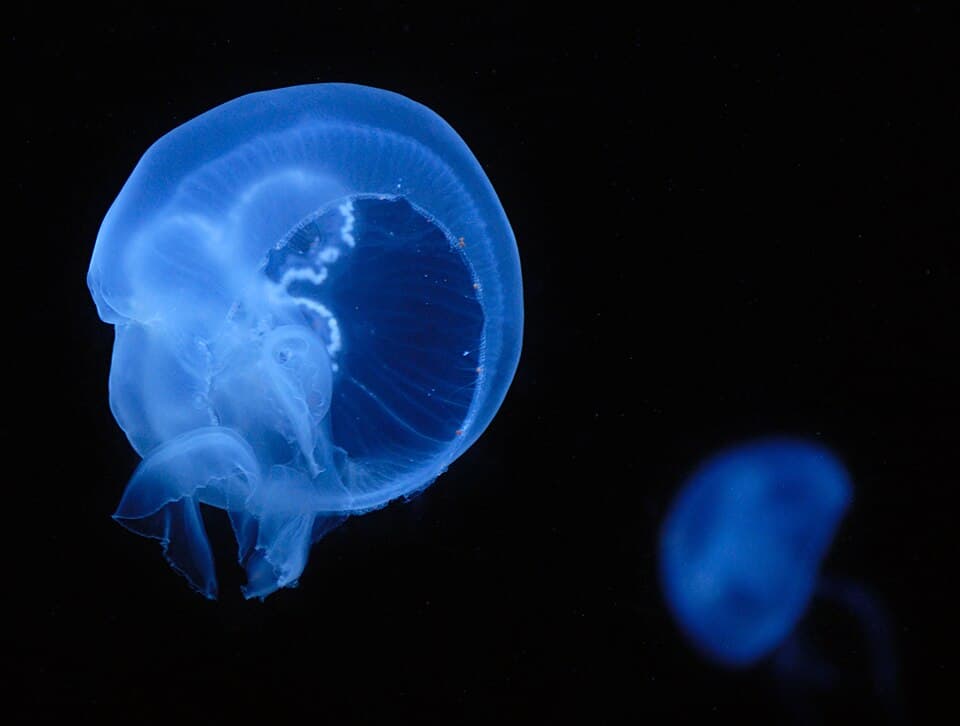
Few animal comparisons highlight the diversity of ocean life better than the octopus and jellyfish — one is among the most intelligent invertebrates on Earth, the other has no brain at all.
| Marine Animal | Category | Marine Animal |
|---|---|---|
| Carnivore | Diet | Carnivore |
| Ocean | Habitat | Ocean |
| 3–10 kg | Weight | 0.1–0.5 kg |
| 30–100 cm | Length | 25–40 cm |
| N/A | Top Speed | N/A |
| 1–2 years | Lifespan | 0.5–2 years |
| Least Concern | Conservation Status | Least Concern |
Key Differences
- 1The common octopus has a complex brain and is capable of problem-solving; the moon jellyfish has only a simple nerve net and no brain.
- 2Octopuses actively hunt crabs, mollusks, and small fish; moon jellyfish passively trap plankton in mucus on their bell.
- 3Octopuses can change both color and skin texture instantly for camouflage; jellyfish have no comparable camouflage ability.
- 4Octopuses move deliberately using their arms or jet propulsion; jellyfish drift largely with ocean currents, pulsing weakly to move short distances.
- 5An octopus has three hearts and blue blood; a jellyfish has no heart, blood, or circulatory system at all.
Common Octopus vs Moon Jellyfish FAQs
How can a jellyfish survive without a brain?
Jellyfish use a distributed nerve net spread across their body instead of a centralized brain, which is enough to sense light, touch, and chemicals, and to control basic swimming and feeding.
Which is more dangerous, an octopus or a jellyfish?
Most octopus species pose little direct danger to humans, while jellyfish stings range from mild irritation to medically serious depending on the species — the moon jellyfish specifically has a mild sting generally harmless to humans.