Bald Eagle vs Turkey Vulture
Both large North American birds of prey often seen soaring overhead, the bald eagle and turkey vulture are easy to confuse from a distance but serve very different ecological roles.
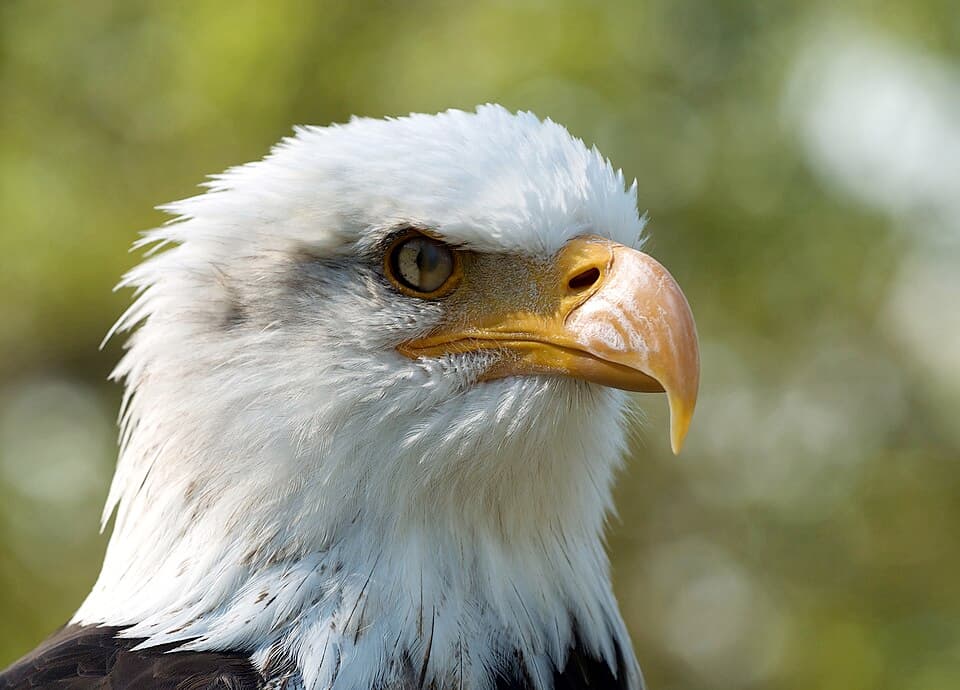
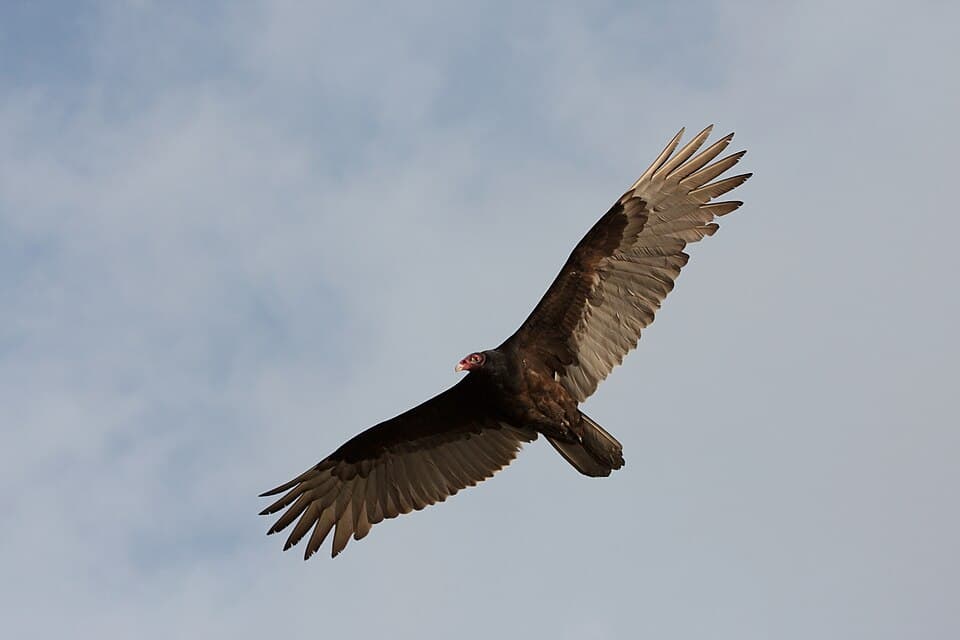
| Bird | Category | Bird |
|---|---|---|
| Carnivore | Diet | Omnivore |
| Forest, Wetlands | Habitat | Forest, Grassland, Desert |
| 3–6.3 kg | Weight | 0.85–2.26 kg |
| 70–102 cm | Length | 62–81 cm |
| 160 km/h | Top Speed | 96 km/h |
| 20–30 years | Lifespan | 16–20 years |
| Least Concern | Conservation Status | Least Concern |
Key Differences
- 1Bald eagles are active hunters that catch live prey, mainly fish; turkey vultures are scavengers that feed almost exclusively on carrion.
- 2Turkey vultures locate food largely by smell, unusual among birds; bald eagles hunt primarily by keen eyesight.
- 3Bald eagles have a fully feathered white head; turkey vultures have a bald, red, featherless head suited to feeding inside carcasses.
- 4Bald eagles hold their wings flat while soaring; turkey vultures soar in a distinctive shallow V-shape and often teeter side to side.
- 5Bald eagles are found near lakes, rivers, and coastlines; turkey vultures range across forests, grasslands, and deserts.
Bald Eagle vs Turkey Vulture FAQs
Why does a turkey vulture have a bald head?
A featherless head stays much cleaner than a feathered one when feeding inside carcasses, reducing the risk of bacterial buildup and infection.
Do bald eagles ever scavenge like vultures?
Yes — bald eagles will readily eat carrion and even steal food from other birds, but unlike turkey vultures they are also capable, active hunters.